Learn expert strategies for keeping your digital recipe library clean, searchable, and easy to use.
Master Your Recipe Organization
As your recipe collection grows, staying organized becomes essential. Here are ten proven strategies to keep your YummJar library clean, searchable, and enjoyable to use.
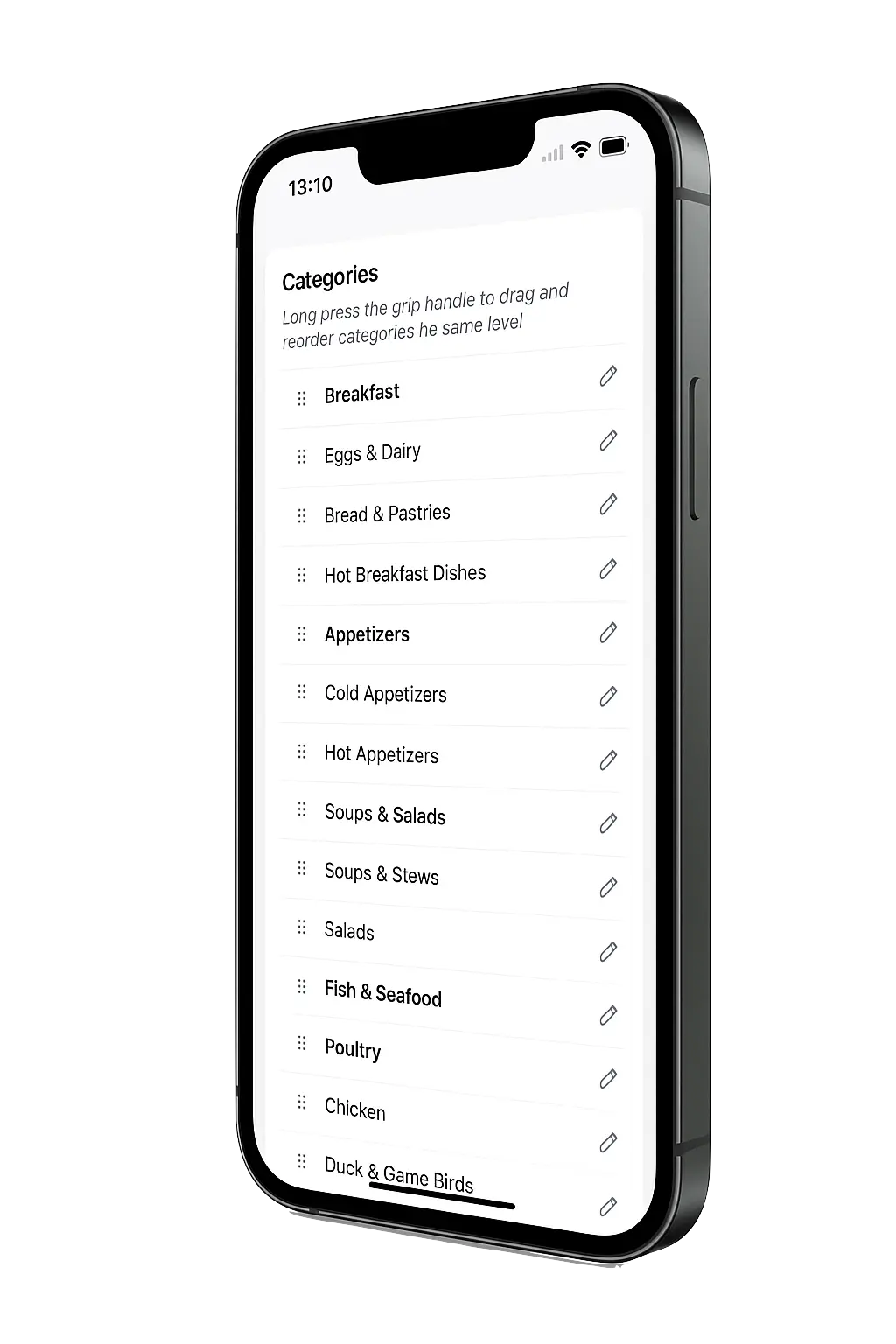
1. Use Consistent Categories
Create a core set of categories that makes sense for your cooking style. Common categories include Breakfast, Lunch, Dinner, Desserts, Snacks, and Beverages. YummJar automatically suggests categories, but you can customize them to fit your needs.
2. Tag Strategically
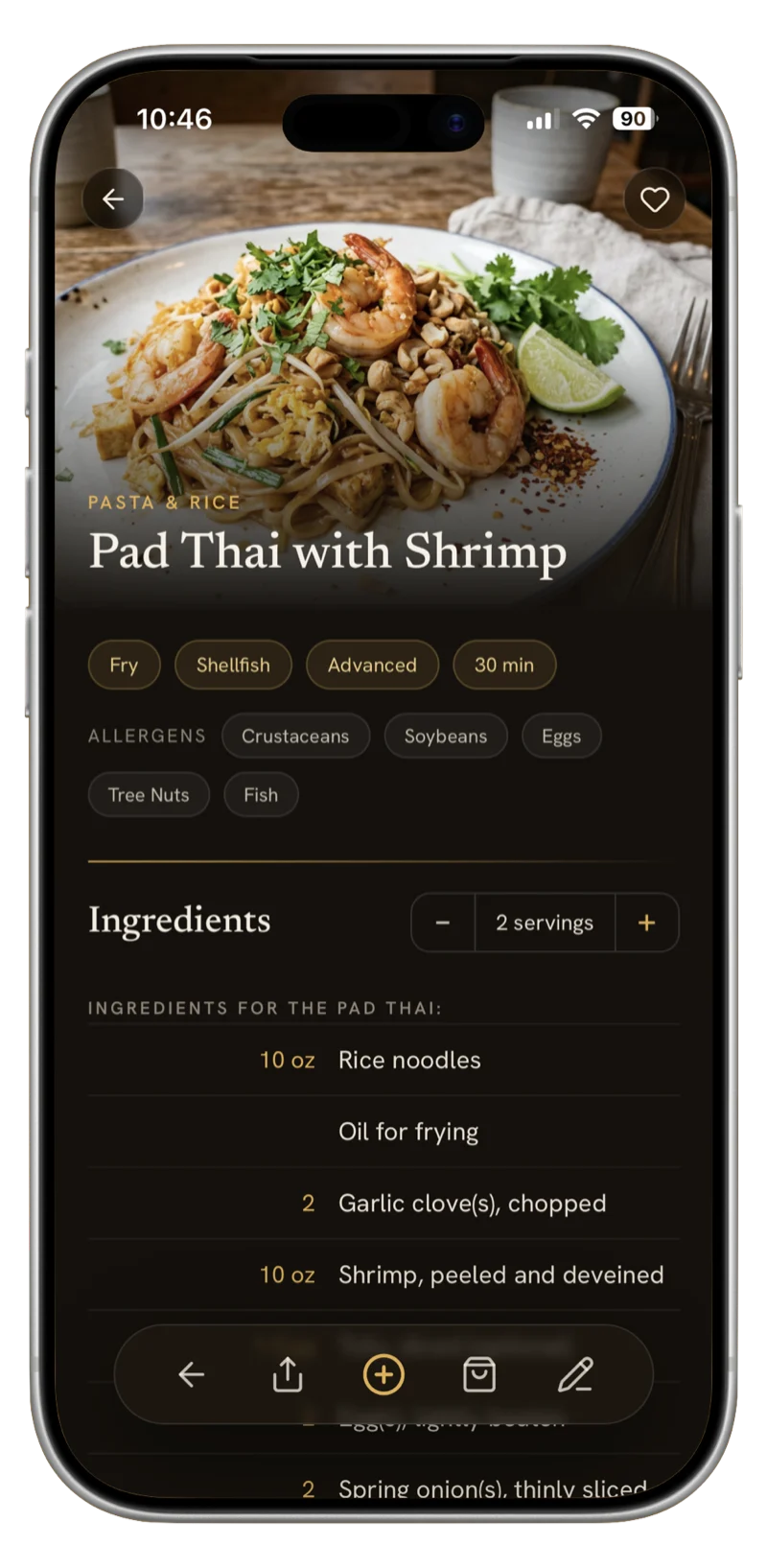
Tags are more flexible than categories. Use them for dietary preferences (vegan, gluten-free), cooking methods (slow-cooker, instant-pot), occasions (holiday, party), or cuisines (Italian, Mexican, Thai). The more specific your tags, the easier it is to find recipes later.
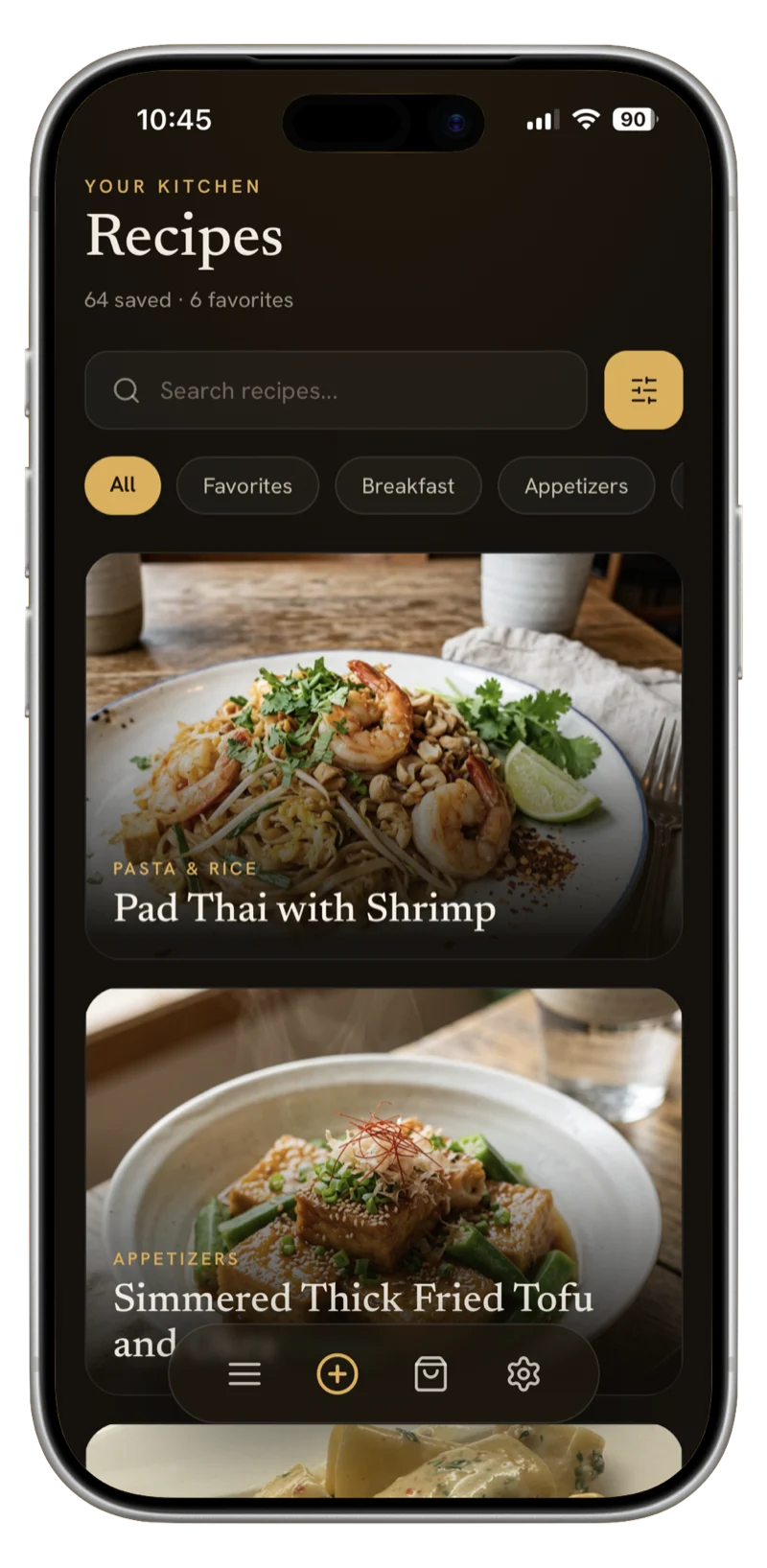
3. Mark Your Favorites
Use the favorites feature for recipes you make frequently. This creates a quick-access collection of your go-to meals without cluttering your main library.
4. Add Personal Notes
After cooking a recipe, add notes about what worked, what didn't, or modifications you made. Future-you will thank you for these insights when you cook it again.
5. Create Seasonal Collections
Use tags or categories to organize recipes by season. Summer grilling recipes, fall comfort foods, and winter soups become easy to find when you need them.
6. Keep Ingredient Lists Clean
When editing recipes, ensure ingredients are properly formatted. YummJar's AI does most of this automatically, but reviewing keeps everything consistent for scaling and shopping lists.
7. Use the Search Function
YummJar's search is powerful – it looks through titles, ingredients, instructions, and tags. Search for "chicken" to find all recipes containing chicken, or search for "15 minutes" to find quick meals.
8. Delete or Archive Unused Recipes
Be honest about recipes you'll never make. If you imported something experimental that didn't work out, it's okay to delete it. A curated collection is more valuable than a bloated one.
9. Organize by Cooking Time
Tag recipes with time indicators like "quick," "weeknight," or "weekend project." This makes meal planning easier when you know how much time you have.
10. Regular Maintenance
Set aside 10 minutes monthly to review your collection. Update tags, remove duplicates, and refine categories. Regular maintenance keeps your library healthy and usable.
Bonus: Use Collections for Meal Planning
Create custom collections for weekly meal plans, special occasions, or cooking goals. Collections let you group recipes temporarily without changing their permanent categories or tags.